

 The Kent Stater
The Animal Liberation Front (ALF) is classified as an extremist movement that, in its own words, works “outside the law” by “breaking into buildings, rescuing animals, and destroying property of animal abusers.”
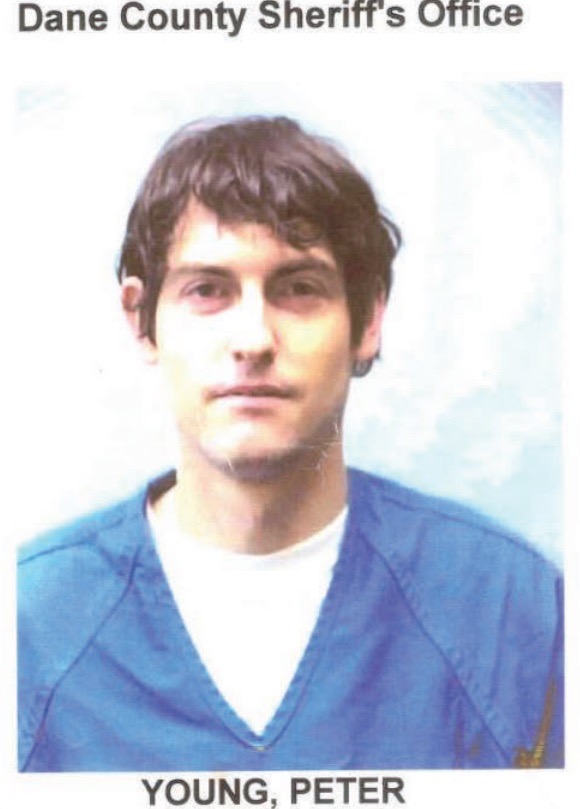
The group has caused hundreds of millions of dollars in damage to various facilities, with some of its actions documented by Peter Young, a convicted terrorist turned author and entrepreneur. I spoke with Young to understand why he joined ALF and how he ended up serving time in prison, labeled a terrorist.
“I don’t ever remember a time when I didn’t have compassion for animals,” he told me. Young was introduced to animal liberation through the punk rock music scene. “This was the first time I realized you could build a purpose around helping animals,” he said.

Through that scene, he was invited into the underground movement. “I knew nothing…I walked into the meeting, and they were planning a civil disobedience action at the Seattle Fur Exchange,” he recalled. After buying a magazine about the North American ALF and reading about their laboratory raids, he decided to get involved.
When asked about direct action by another person at the meeting, Young said, “I think that is what is most effective, I think that is what I want to do, direct action,” and was immediately invited to participate.
“I don’t ever remember a time when I didn’t think that going to prison was part of the package deal with being an activist,” he added.
After some small actions, Young became emboldened by a speech from a member of the band Earth Crisis promoting animal liberation and veganism over supporting the meat industry.
“I remember finding out for the first time that not only were there slaughterhouses near me, but there was one just outside,” he said.
After breaking in, causing some damage, and rescuing three abused chickens, a switch flipped.
“If I’m going to go to prison, I want to go for actually saving animals,” Young remembered thinking.
One of the worst facilities he recalled breaking into was an egg farm. Even products labeled “humane” or “cage-free” are produced under deplorable conditions.
“It’s crazy to me that a lot of people still don’t even know where their eggs are coming from,” he said.
Animals were packed together, unable to move, watching others be killed as they awaited their same fate. Over the years, Young and the ALF targeted fur farms, testing facilities, and slaughterhouses, liberating animals and inflicting damage while avoiding harm to any humans, in line with their principles.
Addressing those who might call him an extremist, Young said:

“Labor hard to put yourselves in the animals’ shoes…and ask what you would want humans to do if you were subject to these conditions, experiencing this suffering, on these farms, living inside these laboratories, living inside these cages; would you want someone outside waving a sign? You would want to be rescued.”
“It is not necessarily personal toward their tormentors, but their rights are not much of a concern when you are being tormented in every possible way for your entire life.”
Do Peter Young and the ALF deserve to be labeled terrorists? And if so, does the meat industry deserve a different label for how they treat animals that feel pain and experience life? Watch the full interview here.
Tanner Smith is a columnist. Contact him at tsmit299@kent.edu.